

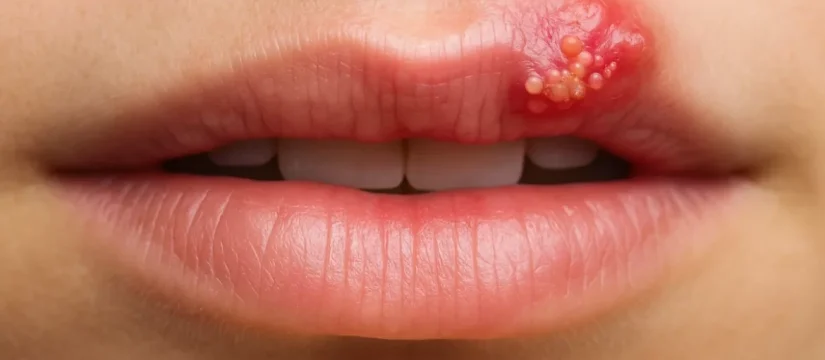
How to Prevent Herpes Outbreaks in Winter
- December 11, 2025
- 0 Likes
- 40 Views
- 0 Comments
Herpes outbreaks—especially cold sores—often flare during winter due to cold, dry air, weakened immunity, and increased stress. If you notice more frequent outbreaks during colder months, you’re not alone. Winter introduces several triggers that make both oral herpes (HSV-1) and genital herpes (HSV-2) more likely to reactivate.
This complete guide explains why winter triggers herpes, the best dermatologist-approved prevention tips, and daily habits that significantly reduce recurrence.
Why Winter Causes More Herpes Outbreaks
Winter creates the perfect conditions for herpes reactivation:
1. Dry, Cold Air Damages the Skin Barrier
Cold weather + indoor heaters = dry, chapped skin and lips
This makes it easier for HSV-1 to break through and trigger cold sores.
2. Weaker Immunity in Winter
More colds, flu, viral infections, vitamin D deficiency → reduced immune defense.
3. Physical Stress & Emotional Stress
Holiday pressure, lack of sunlight, fatigue, and anxiety lower immunity and trigger outbreaks.
4. Fever & Illness
Fever during flu season is a well-known trigger for cold sores (“fever blisters”).
5. Increased UV Exposure in High Altitude or Snow
Snow reflects sunlight, which can reactivate HSV-1 in some people.
How to Prevent Herpes Outbreaks in Winter
1. Keep Lips & Skin Regularly Moisturized
Dry, cracked skin is the number one winter trigger for oral herpes.
✔ Use a thick lip balm with petroleum jelly, ceramides, or shea butter
✔ Reapply every 2–3 hours
✔ Avoid licking your lips
✔ Use a nighttime occlusive lip mask
Pro tip: A balm containing sunscreen (SPF 30) reduces UV-triggered outbreaks.
2. Strengthen Your Immune System
A strong immune system keeps HSV dormant.
✔ Eat immune-supporting foods: citrus, spinach, nuts, yogurt, eggs
✔ Sleep 7–9 hours
✔ Exercise regularly
✔ Take vitamin C, zinc, and vitamin D (if deficient)
✔ Stay hydrated even in cold weather
3. Prevent Winter Illnesses (Cold & Flu Management)
Winter infections often trigger herpes flare-ups.
✔ Wash hands frequently
✔ Use a mask in crowded places
✔ Take flu vaccination
✔ Start antiviral medications early if flu symptoms begin
4. Manage Stress Effectively
Stress is one of the strongest triggers for both HSV-1 and HSV-2.
✔ Meditation or breathing exercises (5–10 minutes daily)
✔ Breaks from screen time
✔ Yoga, walking, or stretching
✔ Adequate rest and avoiding burnout
5. Avoid Common Winter Triggers
- Strong winds
- Sudden temperature drops
- Hot showers that dry out skin
- Excessive caffeine or alcohol
- Dehydration
- Sun exposure on snowy days
- Lip injuries or dental procedures
6. Use Sunscreen Even in Winter
Many forget sunscreen during winter—but UV exposure can trigger cold sores.
✔ Apply SPF 30+ lip balm
✔ Reapply during outdoor activities
✔ Use sunscreen on face, especially around the mouth
7. Consider Daily Suppressive Antiviral Treatment
For people with frequent outbreaks, winter may require preventive antiviral therapy, such as:
- Acyclovir
- Valacyclovir (Valtrex)
- Famciclovir
They reduce recurrence by up to 70–80%.
Consult your dermatologist to see if winter prophylaxis is right for you.
8. Early Treatment at First Signs
Start antiviral cream or tablets as soon as tingling, burning, or itching starts.
Early treatment shortens outbreak duration and reduces severity.
9. Protect Lips in Outdoor Winter Activities
If you participate in skiing, trekking, or snow-related sports:
✔ Apply SPF lip balm
✔ Wear a face mask or buff
✔ Use a windproof scarf
✔ Reapply moisturizer frequently
10. Avoid Sharing Personal Items
During winter, outbreaks are more likely—so avoid sharing:
- Lip balms
- Towels
- Razors
- Water bottles
- Utensils
- Makeup
Winter Diet That Helps Prevent Herpes Outbreaks
Foods that strengthen immunity and reduce outbreak risk:
Eat more:
- Garlic and ginger
- Citrus fruits
- Eggs (rich in lysine)
- Leafy greens
- Yogurt
- Nuts and seeds
- Herbal teas (chamomile, ginger, green tea)
Avoid during outbreaks:
- Excess arginine-rich foods (nuts, chocolate)
- Spicy foods
- Alcohol
- Too much caffeine
Home Remedies That Can Help in Winter
(Not a replacement for medication—supportive only)
- Petroleum jelly to protect cracked skin
- Cold compresses to reduce pain
- Honey or aloe vera for soothing
- Lysine supplements (if recommended)
When to See a Dermatologist
Seek medical advice if:
- Outbreaks occur more than 5–6 times a year
- Winter outbreaks become more frequent
- Outbreaks are spreading or painful
- You have eczema or sensitive skin
- Symptoms do not improve with antivirals
FAQs on Preventing Herpes Outbreaks in Winter
1. Why do my cold sores keep coming back in winter?
Cold, dry air + weakened immunity + stress makes HSV reactivation easier in winter.
2. Does Vitamin D help reduce outbreaks?
Vitamin D supports immunity; deficiency may increase outbreak frequency.
3. Are herpes outbreaks more severe in winter?
Yes, they can be. Dry air and illness-related triggers worsen symptoms.
4. Should I take antivirals daily during winter?
If you get frequent outbreaks, daily suppressive therapy may help—consult your dermatologist.
5. Does winter sun cause cold sores?
Yes. UV exposure from snow reflection can trigger herpes.


Leave Your Comment