

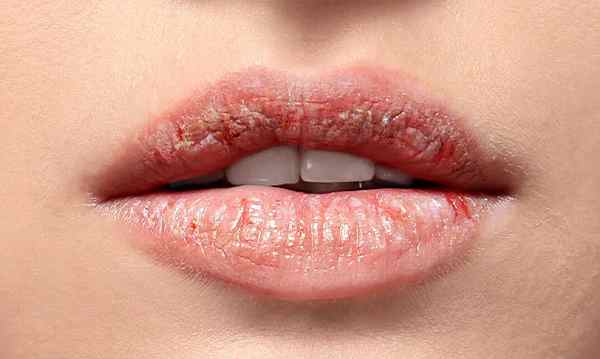
Chapped Lips in Winter: Causes, Best Treatments & Prevention Tips
- December 13, 2025
- 0 Likes
- 404 Views
- 0 Comments
Stop the Winter Lip Battle: Why Your Lips Are So Vulnerable
If the stinging pain of dry, flaky lips is a familiar winter complaint, you are not alone. Chapped lips in winter are arguably the most common seasonal skin issue. Why? The delicate skin on your lips is uniquely vulnerable because, unlike the rest of your facial skin, it is thinner and lacks sebaceous glands (the oil glands that naturally moisturize and protect skin).
When the cold, dry air outside combines with the low humidity from indoor heating systems, moisture is relentlessly pulled out of your lips. Understanding this process is the first step to finding lasting relief.
Understanding the Causes: Why Winter Is the Enemy
Before diving into treatments, let’s identify the common culprits that trigger and perpetuate dry lips in winter:
- Low Humidity and Cold Air: The primary driver. This environmental stressor causes a constant and accelerated rate of Transepidermal Water Loss (TEWL).
- Dehydration: We often drink less water in colder months, meaning internal hydration—essential for plump, healthy lips—drops significantly.
- Licking/Picking Lips (The Vicious Cycle): Saliva provides temporary moisture, but as it evaporates, it strips even more moisture away, leaving your lips drier than before. The enzymes in saliva can also irritate the delicate lip surface.
- Irritating Ingredients: Certain additives in lip products, like menthol, camphor, or eucalyptus, can provide a cooling sensation but actually irritate the lip barrier and perpetuate the cycle of dryness.
The Ultimate Winter Treatment Plan: Natural vs. Over-the-Counter
To effectively heal and maintain smooth lips, you need a strategy that focuses on both adding moisture (hydration) and preventing its escape (occlusion). Here is a breakdown of the two primary treatment approaches:
A. The Power of Natural Remedies (DIY Soothing)
Natural ingredients are excellent for soothing inflammation, providing basic moisture, and gentle exfoliation.
| Natural Ingredient | Primary Benefit | Best Use |
| 🍯 Honey | Natural humectant & antibacterial properties. | Apply a thin layer to cracked lips for 10-15 minutes to reduce infection risk. |
| 🥥 Coconut/Olive Oil | Emollient rich in fatty acids; softens skin. | Use as a nightly moisturizing mask or mix with brown sugar for a gentle scrub. |
| 🌿 Aloe Vera | Anti-inflammatory and soothing relief. | Apply to sun-exposed or very irritated lips. |
Verdict on Natural Remedies: They are wonderful for daily maintenance and soothing, but they often lack the lasting, thick occlusive power needed to survive a long day outdoors in harsh cold.
B. Over-the-Counter (OTC) Solutions: Professional Barrier Repair
When dealing with severe cracking, persistent dryness, or high wind exposure, products designed for barrier repair are essential. These are engineered to lock moisture in aggressively.
| OTC Ingredient | Primary Benefit | Why It Works |
| Petrolatum (White Petroleum Jelly) | Gold Standard Occlusive. | Creates the thickest, most durable physical barrier to block Transepidermal Water Loss. |
| Ceramides/Dimethicone | Barrier restoration and healing. | Helps rebuild the lip’s natural moisture barrier, speeding up repair. |
| Lanolin/Urea | Intense humectant and hydrator. | Draws moisture into the lip tissue and provides deep, lasting softness. |
Verdict on OTC Solutions: These are necessary for overnight intensive healing and reliable protection during harsh winter weather. Look for products labeled “ointment” rather than “balm” for maximum occlusive power.
Prevention is Key: Your Daily Winter Lip Care Routine
Implementing a consistent routine is the best way to ensure you never get severely chapped lips in winter again.
- Hydrate Inside and Out: Carry a water bottle and consciously sip throughout the day.
- Use a Humidifier: Run one in your bedroom overnight to add critical moisture back into the air while you sleep.
- Use the Right Balm, Frequently: Reapply your barrier-protecting balm 6-8 times per day, especially after eating, drinking, and brushing your teeth.
- Cover Up Outdoors: When facing high wind or freezing temperatures, use a scarf, mask, or neck gaiter to physically protect your lips.
- Avoid the Irritants: Be mindful and consciously stop the licking! Also, avoid matte lipsticks and fragranced lip products while your lips are healing.
Frequently Asked Questions (FAQ)
Q1: What is the best lip balm for severely chapped lips in winter?
A: Look for thick, ointment-like OTC formulas containing Petrolatum (occlusive) or Ceramides (barrier repair). These are typically more effective than pure plant-based balms for intense healing.
Q2: Can I use coconut oil instead of lip balm?
A: Yes, but with limitations. Coconut oil is an excellent emollient, but it’s quickly absorbed. For long-term daytime protection, it’s best to layer it under a thicker OTC petrolatum product to seal it in.
Q3: Are flavored lip balms bad for chapped lips?
A: They can be. Flavors like Cinnamon, Peppermint, and Citrus can be irritants. More importantly, the pleasant taste can encourage licking, which strips away moisture. Choose flavor and fragrance-free products when healing.
Q4: When should I see a dermatologist for chapped lips?
A: If the chapping, cracking, or severe dryness persists for more than two to three weeks despite diligent care, or if you see signs of infection (pus, yellow crusting, significant swelling, or redness that extends beyond the lip border).


Leave Your Comment