

Essential Vitamins for Melasma: What Your Skin Really Needs
- December 14, 2025
- 0 Likes
- 452 Views
- 0 Comments
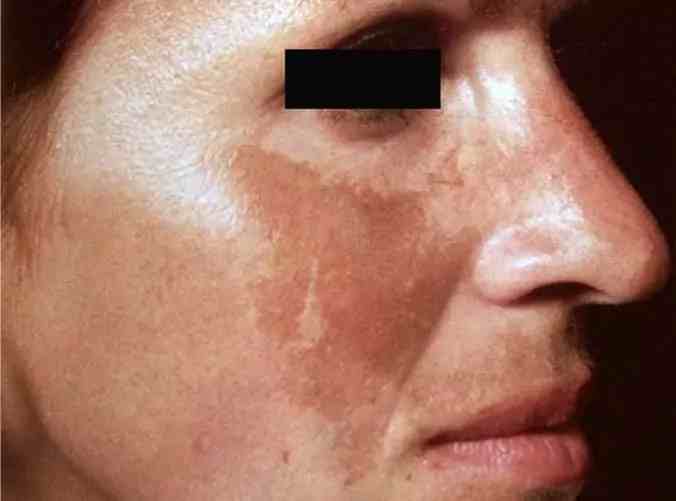
Melasma is a common pigmentation disorder that causes brown or gray patches on the face, especially on the cheeks, forehead, and upper lip. While sun exposure and hormones are major triggers, vitamin deficiencies and oxidative stress can significantly worsen melasma. The right vitamins—through diet, supplements, and skincare—can help fade pigmentation, protect skin cells, and reduce recurrence.
Top Essential Vitamins for Melasma
1. Vitamin C – The Brightening Powerhouse
Vitamin C inhibits melanin production, boosts collagen, and protects skin from UV damage. Both oral and topical forms help lighten dark patches and improve skin radiance.
2. Vitamin E – Antioxidant Shield
Vitamin E repairs the skin barrier and works synergistically with Vitamin C to reduce sun-induced pigmentation and oxidative stress.
3. Vitamin A (Retinoids) – Pigment Controller
Vitamin A speeds up skin cell turnover, helping remove pigmented cells faster. Topical retinoids are highly effective when used under dermatological supervision.
4. Vitamin D – The Hidden Deficiency
Low Vitamin D levels are commonly found in people with melasma. Adequate levels support skin immunity and reduce inflammation that can worsen pigmentation.
5. Vitamin B12 & Folic Acid – Hormonal Support
Deficiencies in Vitamin B12 and folic acid may trigger or worsen melasma, especially in hormonally influenced cases.
Pro Tip for Better Results
Vitamins alone cannot cure melasma. Daily broad-spectrum sunscreen, antioxidant skincare, and dermatologist-guided treatments are essential for long-term pigment control.
Frequently Asked Questions (FAQs)
Q1. Can vitamins completely cure melasma?
No. Vitamins help support skin health and reduce pigmentation, but melasma requires a combination of sun protection, skincare, and medical treatments for optimal control.
Q2. Which vitamin is best for fading melasma fast?
Vitamin C is the most effective for brightening and reducing pigmentation, especially when combined with sunscreen and antioxidants.
Q3. Is Vitamin D deficiency linked to melasma?
Yes. Several studies show a higher incidence of Vitamin D deficiency in melasma patients, and correction may improve treatment response.
Q4. Should I take supplements or use topical vitamins for melasma?
Both can help. Topical vitamins act directly on pigmentation, while oral supplements correct internal deficiencies. A dermatologist can guide the right approach.
Q5. Can vitamins prevent melasma from coming back?
Vitamins reduce oxidative stress, but strict sun protection remains the most important factor in preventing recurrence.


Leave Your Comment