

Foods That Block DHT Naturally: Dermatologist-Approved Diet for Hair Loss
- December 17, 2025
- 0 Likes
- 1401 Views
- 0 Comments
Hair thinning is more than a cosmetic issue—it’s a biological and hormonal process. At Dermatalk, we frequently see patients with early hair loss asking a common question:
“Can diet help block DHT and slow hair fall?”
While genetics remain the primary driver of androgenetic alopecia (male and female pattern hair loss), the key hormonal culprit is Dihydrotestosterone (DHT). Emerging evidence shows that specific foods contain natural compounds that mildly inhibit DHT activity, supporting overall hair health when combined with proper treatment.
Let’s separate science from social media myths.
What Is DHT and Why Does It Cause Hair Loss?
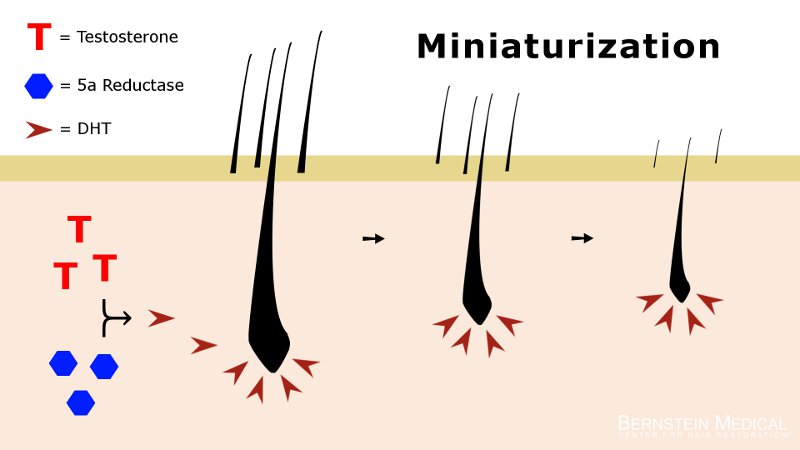
DHT is a potent androgen formed from testosterone by the enzyme 5-alpha reductase (5-AR).
In genetically susceptible individuals, DHT:
- Binds to hair follicle androgen receptors
- Causes follicular miniaturization
- Shortens the anagen (growth) phase
- Leads to thinner, weaker hair over time
👉 This mechanism explains pattern baldness in both men and women.
Can Diet Really Block DHT?
✔️ Short answer: Partially—but not completely.
Dietary components can:
- Mildly inhibit 5-alpha reductase
- Reduce scalp inflammation
- Improve follicular resilience
- Support medical hair-loss treatments
⚠️ Diet alone cannot replace medications like finasteride or dutasteride in moderate to advanced hair loss.
Top Scientifically Supported Foods That May Help Block DHT
1. Green Tea 🍵 – Nature’s 5-Alpha Reductase Inhibitor
Key compound: Epigallocatechin gallate (EGCG)
How it helps:
- Inhibits 5-alpha reductase activity
- Reduces scalp micro-inflammation
- Protects hair follicle stem cells
📌 Green tea is one of the most researched natural DHT-modulating foods.
How to use:
2–3 cups daily or dermatologist-recommended extract
2. Pumpkin Seeds 🎃 – Zinc & Phytosterol Power
Key nutrients: Zinc, beta-sitosterol
Scientific evidence:
A clinical study showed up to 40% improvement in hair count after 24 weeks of pumpkin seed oil supplementation.
How it works:
- Zinc regulates androgen metabolism
- Phytosterols reduce DHT binding at follicle level
How to consume:
Handful daily or cold-pressed pumpkin seed oil
3. Tomatoes & Watermelon 🍅🍉 – The Lycopene Effect
Key compound: Lycopene
Benefits:
- Natural antioxidant
- Helps inhibit 5-alpha reductase
- Improves scalp circulation
👨⚕️ Dermatologist tip:
Cooked tomatoes increase lycopene absorption—tomato paste and sauces are ideal.
4. Soy, Tofu & Edamame 🌱 – Isoflavone Support
Key compounds: Genistein & daidzein (isoflavones)
Mechanism:
- Compete with androgens at enzyme level
- Mildly reduce DHT formation
- Support hormonal balance
Best for:
Both men and women when consumed in moderation
5. Turmeric 🟡 – Anti-Inflammatory + Anti-DHT
Key compound: Curcumin
How it helps:
- Suppresses 5-alpha reductase activity
- Reduces follicular inflammation
- Protects scalp from oxidative stress
📌 Always combine with black pepper for better absorption.
6. Flaxseeds & Walnuts 🌰 – Lignans & Omega-3s
Key nutrients: Lignans, Alpha-Linolenic Acid (ALA)
Mechanism:
- Reduce free testosterone availability
- Support scalp hydration
- Improve hormonal regulation
How to consume:
1 tablespoon ground flaxseed daily
7. Mushrooms 🍄 – Emerging Evidence
Certain mushrooms, especially white button mushrooms, show mild 5-alpha reductase inhibition in preclinical studies.
Quick Reference: DHT-Blocking Foods Table
| Food | Active Compound | Primary Benefit |
|---|---|---|
| Green Tea | EGCG | Inhibits 5-AR |
| Pumpkin Seeds | Zinc, Phytosterols | Reduces DHT activity |
| Tomatoes | Lycopene | Antioxidant enzyme blocker |
| Soy | Isoflavones | Hormonal modulation |
| Turmeric | Curcumin | Anti-DHT & anti-inflammatory |
| Flaxseeds | Lignans, Omega-3 | Hormonal balance |
Foods That May Increase DHT (Limit Intake)
- Excess red meat
- High-sugar diets
- Trans fats
- Ultra-processed foods
- Excess whey protein
These may increase inflammation and androgen activity.
Diet vs Medical DHT Blockers: What Works Best?
| Approach | Effectiveness |
|---|---|
| Diet alone | Mild |
| Supplements | Moderate |
| Finasteride/Dutasteride | Strong |
| Combination therapy | ⭐ Best outcomes |
👉 Dermatalk recommendation:
Early diagnosis + medical therapy + supportive nutrition = optimal results.
A Word of Caution from Dermatalk
DHT is not an “evil hormone.” It plays essential roles in the body.
Over-blocking DHT, especially with unregulated supplements, may cause side effects.
✔️ Always consult a qualified dermatologist before starting high-dose supplements like:
- Saw palmetto
- Pumpkin seed oil extracts
FAQs: Foods That Block DHT
❓ Can food stop hair loss completely?
No. Food supports treatment but cannot reverse advanced hair loss alone.
❓ How long before results appear?
Dietary changes may show supportive benefits after 3–6 months.
❓ Are these foods safe for daily intake?
Yes, when consumed in moderation.
❓ Do DHT-blocking foods help women?
Yes. Many are helpful in female pattern hair loss.
❓ Can I combine diet with finasteride?
Yes. Diet improves scalp health and may enhance outcomes.


Leave Your Comment