

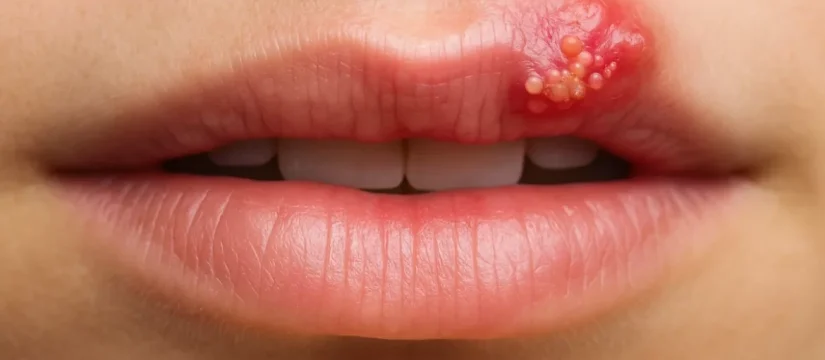
Herpes Reactivation: Triggers, Symptoms & Prevention
- December 13, 2025
- 0 Likes
- 411 Views
- 0 Comments
The Herpes Simplex Virus (HSV), encompassing two ubiquitous strains—HSV-1 and HSV-2—is a lifelong companion for billions worldwide. While often associated with the highly visible symptoms of cold sores and genital lesions, the true challenge of HSV lies in its unpredictable nature: reactivation.
Understanding what causes this dormant virus to “wake up” is crucial for managing outbreaks, minimizing transmission, and achieving peace of mind. For the readers of Dermatalk.com, we dive into the latest trends and essential facts about HSV-1 and HSV-2, focusing on the powerful links between lifestyle, environment, immunity, and the lingering confusion over oral versus genital herpes.
HSV-1 vs. HSV-2: A Confusing Taxonomy
The most significant point of confusion surrounding herpes is the traditional naming convention:
- HSV-1 is commonly associated with oral herpes (cold sores or fever blisters).
- HSV-2 is traditionally associated with genital herpes.
The New Reality: Location is Not Identity
Thanks to changing sexual practices, particularly the increase in oral sex, this strict division is now blurred.
- HSV-1 is now an increasingly common cause of first-episode genital herpes, accounting for 30% or more of new genital infections in some well-resourced settings.
- HSV-2 can, though less commonly, be found in the oral region.
Key Takeaway for Dermatalk Readers: The symptoms of the sores themselves are often indistinguishable. If you have a lesion, a type-specific molecular test (PCR) is the only way to accurately determine if the virus is HSV-1 or HSV-2, which is vital for predicting recurrence rates.
Reactivation Trends: The Immune-Nerve Connection
Once the initial infection clears, the HSV virus travels along sensory nerves and establishes a dormant (latent) infection in the nerve cell clusters (ganglia). Recurrence occurs when the virus reactivates and travels back down the nerve to the skin’s surface. This process is highly sensitive to changes in the body’s internal environment.
1. Stress: The Neuroendocrine Culprit
Emotional and physical stress are consistently cited as the number one triggers for HSV outbreaks.
- The Cortisol Link: Psychological stress triggers the release of stress hormones like cortisol. This hormone can suppress key components of the immune response, particularly the virus-specific CD8+ T cells which are responsible for keeping the virus locked down in the ganglia.
- Neurotrophin Deprivation: Research suggests that chronic stress may lead to the loss of neurotrophin-associated signaling (like nerve growth factor, or NGF), which is essential for keeping the virus dormant. When these signals are interrupted, the virus seizes the opportunity to reactivate.
- Actionable Advice: Incorporating regular stress-reducing activities, such as mindfulness, deep breathing, and prioritizing sleep, can directly support the immune system’s ability to maintain latency.
2. Winter Outbreaks and Environmental Factors
While herpes outbreaks aren’t strictly a “winter illness,” the season introduces specific physical stresses that can trigger reactivation, especially for oral herpes (HSV-1).
- Wind and Cold Trauma: Exposure to harsh, cold winds can cause chapped and cracked lips, creating micro-trauma or injury to the skin barrier. This local injury provides the perfect entry point for the reactivated virus traveling down the nerve.
- Fever and Illness: Colds and flu (often peaking in winter) cause the body to release inflammatory signals and raise core temperature (fever). This systemic illness weakens the overall immune defense, which is why cold sores are often called “fever blisters.”
3. The Immunity Link: A Delicate Balance
The fight against HSV is a constant immunological tug-of-war. The immune system never clears the virus, but it does restrict its ability to replicate and cause symptoms.
- T-Cell Surveillance: The virus is primarily kept in check by a relentless guard of CD8+ T cells that surround the latency site. Any disruption to the T-cell function—whether from stress, chronic illness, or certain medications—can release the viral brake.
- Asymptomatic Shedding: The immune system’s control is so tight that the virus frequently reactivates and sheds viral particles on the skin’s surface without causing any visible sores (asymptomatic shedding). This shedding is highest when the immune system is strained, making virus transmission possible even without a visible outbreak.
The Recurrence Prognosis: HSV-1 vs. HSV-2
While the symptoms may look similar, the long-term recurrence rates differ significantly, making the correct diagnosis (HSV-1 vs. HSV-2) essential for patient counseling:
- Genital HSV-2: Has the highest rate of recurrence, averaging 4 to 6 outbreaks per year in the first few years.
- Genital HSV-1: Has a much lower recurrence rate, estimated at only about 10–20%. Many people with genital HSV-1 may only experience one or zero recurrences after the initial primary episode.
Dermatological Insight: Daily suppressive antiviral therapy (like Valacyclovir) is highly effective at reducing both the frequency of outbreaks and the rate of asymptomatic shedding, helping to manage both the physical and psychological burden of a herpes diagnosis.


Leave Your Comment