

How to Get Rid of Cradle Cap Fast: The “Wash, Loosen, Lift” Method
- December 13, 2025
- 0 Likes
- 465 Views
- 0 Comments
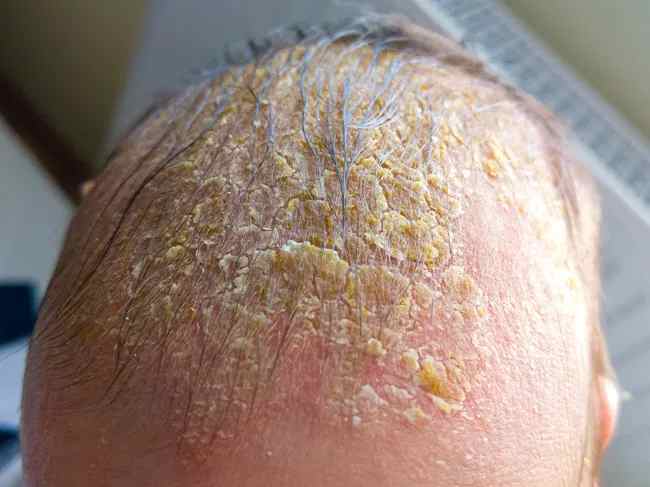
It starts with a few flakes. Then, suddenly, your beautiful newborn’s scalp is covered in thick, yellow, greasy patches that look like fish scales.
Welcome to the world of Cradle Cap.
For new parents, this condition can be alarming. Is it an infection? Did I not wash their hair enough? Is it bothering them?
Take a deep breath: Cradle cap is harmless, common, and not your fault. Here is everything you need to know about what it is, why it happens, and the dermatologist-approved way to treat it at home.
What Is Cradle Cap?
Medical experts call it Infantile Seborrheic Dermatitis. It is essentially the baby version of dandruff.
It typically appears in the first few months of life and looks like:
- Thick, yellow or brown crusty patches.
- Greasy or oily scales.
- Mild redness (sometimes).
- Flaking that resembles dry skin.
While it mostly appears on the scalp, it can also show up behind the ears, in the eyebrows, or even in the diaper area.
The Big Question: Why Did My Baby Get It?
First, let’s clear up a major myth: Cradle cap is NOT caused by poor hygiene. You cannot “wash away” the risk of getting it.
Doctors believe it is caused by a combination of two factors:
- Maternal Hormones: Hormones passed from mom to baby before birth can cause the baby’s oil glands (sebaceous glands) to go into overdrive, producing too much oil (sebum).
- Yeast (Malassezia): This is a naturally occurring yeast that lives on everyone’s skin. In babies, the excess oil allows this yeast to grow more than usual, leading to the crusty reaction.
How to Treat Cradle Cap: The “Wash, Loosen, Lift” Method
Most cases of cradle cap will clear up on their own within a few weeks or months. However, if the appearance bothers you, you can speed up the process with this gentle 3-step routine.
Step 1: Loosen the Scales (The Oil Phase)
Before bath time, gently massage a baby-safe oil onto the scalp to soften the crusts.
- Best Oils: Mineral oil (baby oil) or pure coconut oil.
- The “Olive Oil” Warning: Many pediatricians now advise against using olive oil. Olive oil encourages the growth of the yeast that causes cradle cap and can damage the skin barrier if left on too long.
- How long? Let the oil sit for 15–30 minutes. Do not leave it on overnight, as this can clog the pores further.
Step 2: The “Lift” (Gentle Brushing)
While the oil is on the scalp (or during the shampoo phase), gently loosen the flakes.
- Use a soft-bristled baby brush, a silicone cradle cap scrubby, or a fine-toothed comb.
- Be Gentle: Move the brush in circular motions. Never pick or scrape aggressively with your fingernails, as this can cause bleeding or infection.
Step 3: Wash It All Away
This is the most critical step. You must wash the oil out completely. If oil remains, the flakes will stick to it, making the problem worse.
- Use a gentle, tear-free baby shampoo.
- Rinse thoroughly.
- Frequency: You may need to shampoo daily while the cradle cap is active (normally, 2–3 times a week is enough for babies).
When Home Remedies Don’t Work
If the standard routine isn’t helping, you can try an over-the-counter medicated shampoo specifically for cradle cap (often containing pyrithione zinc or selenium sulfide). Always consult your pediatrician before using medicated products on an infant.
When to See a Doctor
Cradle cap is rarely an emergency, but you should see a pediatrician if:
- The skin looks very red, swollen, or feels hot (signs of infection).
- The patches start bleeding or oozing fluid.
- The rash spreads to the face, neck, or body (this could be eczema or an allergic reaction).
- Your baby seems uncomfortable, itchy, or agitated.
Frequently Asked Questions (FAQ)
Is cradle cap itchy for my baby?
Surprisingly, no. unlike eczema, which is very itchy, cradle cap usually doesn’t bother babies at all. If your baby is scratching or seems distressed, it might be a different condition like eczema.
Will picking the scales hurt my baby?
It might not hurt them, but it can hurt their skin. Picking at dry scales can cause small tears in the delicate scalp, which can lead to bleeding or a bacterial infection. Always soften them with oil/water before removal.
Does breast milk cure cradle cap?
While “breast milk on everything” is a popular remedy, it is not the most effective treatment for cradle cap. Breast milk contains sugars that the yeast might actually feed on. Stick to mineral oil or medicated shampoos for the best results.
Will my baby lose hair?
Sometimes, when the thick scales fall off, a little patch of hair may come with them. Don’t worry—this is temporary! The hair follicle is healthy, and the hair will grow back once the skin heals.
Is cradle cap contagious?
Absolutely not. You cannot catch it, and it doesn’t spread between babies. It is simply a temporary skin condition.
The Bottom Line
Cradle cap can look intense, but it is one of the most common and manageable parts of infancy. Be patient, keep those little scalps clean (but not stripped!), and remember: this too shall pass, usually by your baby’s first birthday.


Leave Your Comment