

Pain in Hair Roots – Trichodynia: Causes, Symptoms & Treatment
- December 7, 2025
- 2 Likes
- 740 Views
- 0 Comments
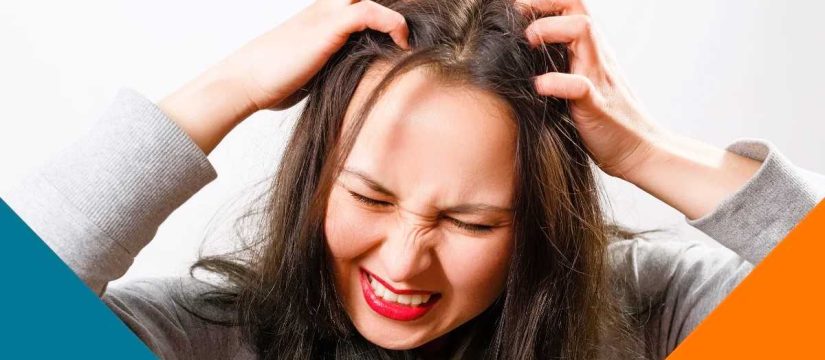
Hair root pain, with or without hair loss, is one of the most common complaints patients bring to dermatology clinics. This uncomfortable condition is medically known as Trichodynia. It is often associated with Telogen Effluvium, a type of stress-related hair shedding that can be emotionally overwhelming and physically distressing.
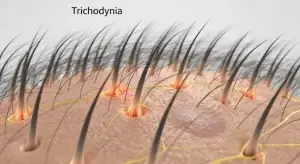
Many people describe it as “my hair hurts” — but hair shafts them-selves have no nerves or blood vessels. The pain actually comes from the hair follicle, which is surrounded by highly sensitive nerve endings that can become irritated or inflamed.
This article explains what Trichodynia is, its causes, symptoms, and the treatment options that truly work.
What Is Trichodynia?
Trichodynia (also called scalp dysesthesia or cutaneous dysesthesia syndrome) is a condition where a person experiences:
- Hair root pain
- Burning sensation
- Tingling
- Itching
- Tenderness of the scalp
Although more common in females, it can also affect males. Most cases occur when the hair growth cycle is disrupted due to physical stress, emotional stress, nutritional deficiency, or an underlying medical condition.
What Causes Trichodynia?
The exact mechanism behind hair root pain is not fully understood, but experts believe it has a multifactorial origin. Several factors can trigger or worsen trichodynia:
-
Emotional Stress & Psychological Factors
Stress is one of the strongest triggers. Conditions include:
- Depression
- Anxiety
- Obsessive behaviors
- Chronic stress
- Sleep disturbances
Stress can amplify nerve sensitivity and speed up hair shedding, worsening the pain.
-
Underlying Hair & Scalp Conditions
Trichodynia is commonly linked with:
- Telogen Effluvium
- Alopecia Areata
- Traction Alopecia
- Androgenetic Alopecia (pattern hair loss)
- Lupus
- Lichen Planopilaris
- Scalp Psoriasis
- Cicatricial alopecia
- Seborrheic dermatitis (dandruff)
- Folliculitis decalvans
- Contact dermatitis (allergy to shampoo/hair dye)
- Allodynia
- Giant cell arteritis (rare but serious)
These conditions cause inflammation around the hair follicles → leading to scalp pain.
-
Hormonal Fluctuations
Hormonal changes, especially in females, can trigger hair shedding and scalp sensitivity:
- Postpartum period
- Menstruation
- Thyroid disorders
- Menopause
-
Nutritional Deficiencies
Low levels of certain nutrients can worsen hair fall and follicle sensitivity:
- Iron (Ferritin)
- Vitamin D
- Vitamin B12
- Zinc
- Folic acid
- L-Cystine
-
Hairstyling Practices
- Tight ponytails or braids
- Heavy hair extensions
- Frequent heat styling
- Chemical treatments (bleach, dye, straightening)
All these cause traction or irritation → resulting in trichodynia.
Signs & Symptoms of Trichodynia
Patients commonly experience:
- Scalp tenderness
- Burning or prickling sensation
- Pain when moving or touching hair
- Itching of the scalp
- Increased hair shedding
- Redness or inflammation
- Discomfort even when the scalp looks normal
Some people feel pain specifically when combing, tying, or washing their hair.
Treatment of Trichodynia
The key to effective management is identifying and treating the underlying cause — whether emotional, nutritional, or scalp-related.
Most patients start feeling relief within 1–2 weeks, and hair recovery may take 3–6 months.
-
Treat the Underlying Scalp or Hair Condition
A dermatologist may prescribe:
- Topical or oral anti-inflammatory medicines
- Potent steroid lotions
- Anti-dandruff shampoos (ketoconazole, zinc pyrithione)
- Topical Minoxidil if hair loss is involved
- Treatment for psoriasis or dermatitis
Reducing inflammation helps relieve the pain much faster.
-
Nutritional Support
If deficiencies are found, supplements can significantly reduce symptoms:
- Vitamin D3
- Vitamin B12
- Zinc
- Folic Acid
- Iron (if ferritin is low)
- L-Cystine
- Multivitamins
These not only reduce scalp discomfort but also promote healthy hair regrowth.
-
Stress Reduction Techniques
Since stress is a major trigger:
- Meditation
- Yoga
- Breathing exercises
- Walking or light exercise
- Adequate sleep
These help calm the nervous system and reduce pain sensitivity.
-
Gentle Hair Care Routine
Avoid anything that irritates or pulls the hair:
- Keep hairstyles loose
- Use a wide-tooth comb
- Avoid constant heat styling
- Choose sulphate-free mild shampoos
- Avoid strong chemical treatments for a few weeks
-
When Should You See a Dermatologist?
Visit a dermatologist if you have:
- Severe or persistent hair root pain
- Sudden or excessive hair loss
- Bald patches
- Scalp redness, scaling, or pus
Self-diagnosis often delays treatment. A dermatologist can identify the exact cause and start the right treatment plan.
Conclusion
Trichodynia is a real and distressing condition, but it is treatable.
By identifying the underlying cause — whether stress, inflammation, nutritional deficiency, or hair loss — most people see relief within weeks and full recovery in a few months.
If you’re experiencing persistent scalp pain or hair shedding, it’s best to consult a dermatologist to get a professional diagnosis and personalized treatment.
FAQs
1. Why do my hair roots hurt?
Hair roots hurt due to inflammation, stress, tight hairstyles, or conditions like telogen effluvium, dandruff, or scalp dermatitis. The pain comes from irritated nerve endings around the follicle.
2. What is trichodynia?
Trichodynia is a painful scalp condition causing hair root tenderness, burning, itching, and increased hair shedding. It is often linked with stress and hair loss.
3. Can stress cause hair root pain?
Yes. Stress increases scalp nerve sensitivity and accelerates hair shedding (telogen effluvium), leading to trichodynia and hair root pain.
4. How do I stop pain in my hair roots?
Treat underlying scalp conditions, manage stress, avoid tight hairstyles, use mild shampoos, and take supplements if deficient. Dermatologists may prescribe anti-inflammatory lotions.
5. Is trichodynia serious?
Trichodynia is not dangerous but can indicate underlying issues like hair loss, scalp inflammation, or nutritional deficiencies. Early evaluation helps prevent worsening hair fall.
6. How long does trichodynia last?
Pain usually improves within 1–2 weeks once the cause is treated. Hair shedding recovery may take 3–6 months.


Leave Your Comment