

Piedra Hair Infection: White Piedra vs Black Piedra – Causes, Symptoms & Treatment
- December 13, 2025
- 1 Like
- 636 Views
- 0 Comments
What Is Piedra?
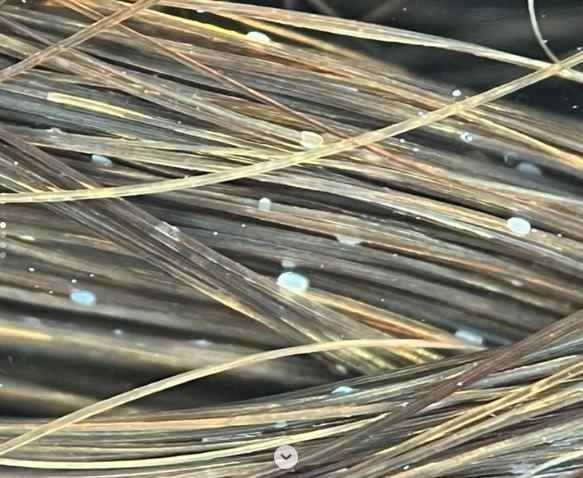
Piedra is a superficial fungal infection of the hair shaft, characterized by hard nodules firmly attached to hair fibers. The word piedra comes from Spanish, meaning “stone”, reflecting the stone-like hardness of the nodules.
Unlike dandruff or lice eggs (nits), piedra nodules cannot be easily removed by sliding fingers along the hair.
Piedra is classified into two main types:
- White Piedra
- Black Piedra
Types of Piedra
1. White Piedra
White piedra is the more common form and is caused by yeast-like fungi of the genus Trichosporon.
✔ Key Features:
- Soft to moderately firm white, cream, or light brown nodules
- Affects scalp hair, beard, moustache, axillary and pubic hair
- Nodules are irregular and loosely attached
- Hair breakage may occur
- More common in humid and tropical climates
🦠 Causative Organism:
- Trichosporon ovoides
- Trichosporon inkin
2. Black Piedra
Black piedra is rarer and caused by a dematiaceous (pigmented) fungus.
✔ Key Features:
- Hard, black or dark brown nodules
- Firmly cemented to the hair shaft
- Commonly affects scalp hair
- Hair may feel gritty or rough
- Nodules are smaller but much harder than white piedra
🦠 Causative Organism:
- Piedraia hortae
Difference Between White Piedra and Black Piedra
| Feature | White Piedra | Black Piedra |
|---|---|---|
| Causative organism | Trichosporon species | Piedraia hortae |
| Nodule color | White / Cream / Light brown | Black / Dark brown |
| Consistency | Soft to moderately firm | Hard, stone-like |
| Common sites | Scalp, beard, pubic hair | Mainly scalp hair |
| Climate | Humid, tropical | Humid regions |
| Hair breakage | Common | Less common |
Causes and Risk Factors
Piedra develops due to fungal colonization of the hair shaft. Factors that increase risk include:
- Hot and humid climate
- Poor hair hygiene
- Prolonged wet hair (swimming, sweating)
- Use of occlusive headgear
- Long hair and infrequent washing
- Immunocompromised state (rarely)
Symptoms of Piedra
- Visible white or black nodules on hair
- Rough or gritty hair texture
- Hair breakage or hair fall
- Usually no itching or pain
- Cosmetic concern is the most common complaint
How Is Piedra Diagnosed?
Diagnosis is usually clinical, supported by:
- Direct microscopy (KOH mount) showing fungal elements
- Fungal culture for species identification
- Trichoscopy may reveal nodular concretions around hair shaft
Treatment of Piedra
✂️ 1. Hair Cutting or Shaving
- Most effective and fastest treatment
- Removes infected hair shafts completely
💊 2. Topical Antifungal Treatment
Used when shaving is not acceptable:
- Ketoconazole 2% shampoo
- Selenium sulfide shampoo
- Ciclopirox or antifungal lotions
💊 3. Oral Antifungals (Rare Cases)
- Itraconazole or fluconazole
- Reserved for extensive or recurrent cases
Note: White piedra may respond better to antifungal therapy than black piedra.
Prevention Tips
- Keep hair clean and dry
- Avoid sharing combs, towels, or headgear
- Dry hair properly after washing
- Avoid prolonged moisture exposure
- Regular hair hygiene in humid climates
Is Piedra Contagious?
Piedra is mildly contagious, usually spreading through shared grooming tools rather than direct contact. It is not dangerous and does not cause systemic illness.
When to See a Dermatologist
- Persistent nodules despite washing
- Hair breakage or excessive hair fall
- Diagnostic confusion with lice or dandruff
- Recurrent infections
Early diagnosis ensures quick and complete cure.
Frequently Asked Questions (FAQs)
1. Is piedra a serious hair infection?
No. Piedra is a benign superficial fungal infection and mainly causes cosmetic concern.
2. How is piedra different from lice or dandruff?
Unlike dandruff or lice eggs, piedra nodules are hard and cannot be easily slid off the hair shaft.
3. Can piedra cause permanent hair loss?
No. Hair loss is temporary, and hair regrows after treatment.
4. Can white piedra turn into black piedra?
No. They are caused by different fungi and are separate conditions.
5. Does piedra need oral antifungal treatment?
Most cases respond to hair cutting and topical antifungals. Oral treatment is rarely needed.
6. Can piedra recur?
Yes, if hygiene measures are not followed or in humid conditions.
Conclusion
Piedra is a rare but easily treatable fungal infection of the hair shaft. Recognizing the difference between white piedra and black piedra is important for correct management. With proper diagnosis, hygiene, and antifungal treatment, the condition resolves completely without long-term complications.


Leave Your Comment