

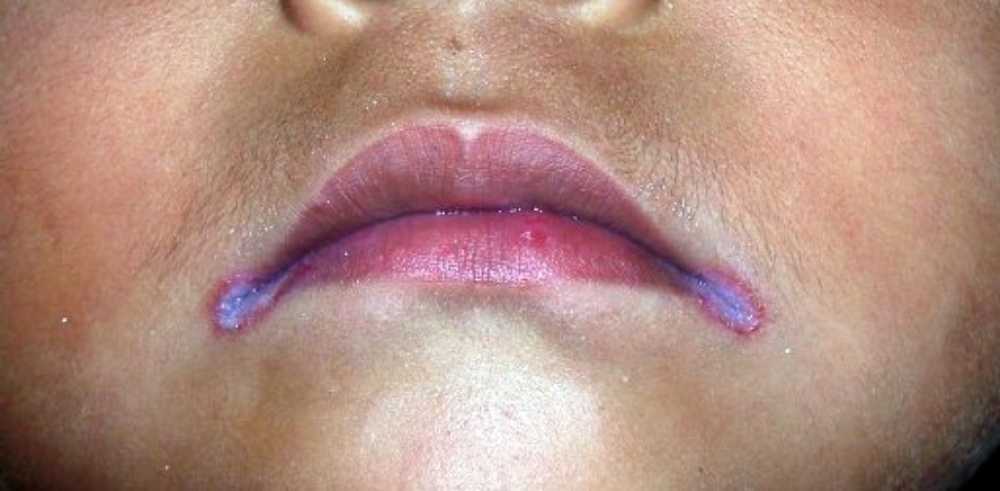
Rash in the Corner of the Mouth: Angular Cheilitis Causes, Symptoms & Fast Treatment
- December 8, 2025
- 0 Likes
- 407 Views
- 0 Comments
A painful rash in the corner of the mouth can make simple activities like speaking, eating, or smiling uncomfortable. One of the most common causes is Angular Cheilitis — an inflammatory condition that affects one or both corners of the lips. While it’s not usually dangerous, it can be irritating, persistent, and cosmetically bothersome. The good news? Angular cheilitis is preventable and highly treatable when the underlying cause is identified.
Unlike typical chapped lips (which occur due to lack of moisture), angular cheilitis often results from excess moisture, saliva irritation, infection, or nutritional deficiencies.
What Is Angular Cheilitis?
Angular Cheilitis (also known as angular stomatitis) is an inflammatory skin condition that causes:
- Redness
- Swelling
- Crusting or scaling
- Fissures (cracks)
- Painful splits at the corners of the mouth
It usually stays limited to the mouth corners and does not spread unless complicated by bacterial or fungal infections. Depending on the cause, it may resolve quickly or linger for weeks.

What Causes Angular Cheilitis?
Angular cheilitis is multifactorial, meaning more than one trigger can contribute. Common causes include:
1. Irritation
- Frequent lip licking
- Excess saliva pooling at the corners
- Ill-fitting dentures
- Over-drying of lips
2. Infections
- Fungal infection (Candida)
- Bacterial infection (Staphylococcus or Streptococcus)
- Viral infections like cold sores (Herpes simplex)
3. Nutritional Deficiencies
- Iron deficiency
- Vitamin B deficiencies (especially riboflavin/B2, B6, B12)
4. Skin & Health Conditions
- Atopic dermatitis
- Diabetes
- Inflammatory bowel diseases
- Coeliac disease
Who Is at Higher Risk of Angular Cheilitis?
Certain groups are more prone to developing this condition:
- Infants and elderly individuals
- People with deep wrinkles or skin folds near the mouth
- Individuals with diabetes, Crohn’s disease, or coeliac disease
- Long-term users of antibiotics or corticosteroids
- Those with atopic (sensitive) skin
- People wearing poor-fitting dentures
- Individuals with poor diet or vitamin deficiencies
- Patients on oral retinoids (isotretinoin, acitretin)
- Chronic smokers
- People with Down syndrome
Saliva-induced irritation is one of the most common contributors—the more you lick your lips, the worse it becomes.
Signs & Symptoms of Angular Cheilitis
Typical symptoms include:
- Red, swollen skin in the mouth corners
- Dry, crusty, or scaly patches
- Pain, burning, or soreness
- Cracks or splits that may bleed
- Itching and irritation
While it mostly stays localized to the corners, it may spread to nearby skin if bacterial (impetigo) or fungal (candidiasis) infection develops.
Treatment: How to Heal Angular Cheilitis Quickly
Most mild cases improve with basic care, but persistent or painful cases require targeted treatment based on the cause.
1. Address Underlying Health Issues
- Diabetes control through medications, diet, and lifestyle changes
- Correct nutritional deficiencies with iron or B-vitamin supplements
2. Treat Infections
- Antifungal creams or oral antifungals for Candida
- Topical or oral antibiotics for bacterial infections
- Antiviral therapy if caused by herpes (rare but possible)
3. Reduce Inflammation
- Short course of topical steroid creams (used only under medical guidance)
4. Moisturise & Protect
- Apply petroleum jelly, Vaseline, or thick barrier creams frequently
- Use fragrance-free lip balms
5. Correct Structural Causes
- Botox or filler in cases where deep skin folds trap moisture and cause recurrent irritation
- Replace or adjust ill-fitting dentures
How to Prevent Angular Cheilitis
- Avoid licking your lips
- Keep lips moisturized
- Correct nutritional deficiencies
- Maintain oral hygiene
- Keep the corners of your mouth dry after eating or brushing
- Treat dry mouth conditions
If symptoms persist or worsen, consult a dermatologist for a proper diagnosis and personalized treatment plan.
FAQ: Rash in the Corner of the Mouth (Angular Cheilitis)
1. What is the fastest way to heal angular cheilitis?
The fastest way to heal angular cheilitis is to identify the cause and treat it directly—usually with antifungal creams, topical antibiotics, and thick moisturizers like Vaseline. Keeping the area dry and avoiding lip licking speeds up healing.
2. Can angular cheilitis go away on its own?
Mild cases may improve on their own, but many cases require medical treatment, especially if caused by fungal or bacterial infections. Persistent symptoms should be checked by a dermatologist.
3. Is angular cheilitis contagious?
Angular cheilitis itself is not contagious. However, if it is caused by herpes or bacterial infections, those underlying infections may be contagious.
4. What deficiency causes cracks in the corner of the mouth?
Common deficiencies linked to angular cheilitis include:
- Iron deficiency
- Vitamin B2 (riboflavin)
- Vitamin B6
- Vitamin B12
Correcting these deficiencies often helps the condition resolve faster.
5. Why does angular cheilitis keep coming back?
Recurrent angular cheilitis may be due to:
- Repeated saliva pooling
- Ill-fitting dentures
- Diabetes
- Fungal overgrowth
- Nutritional deficiencies
- Deep skin folds trapping moisture
Addressing the underlying cause is key to long-term relief.
6. Is Vaseline good for angular cheilitis?
Yes. Vaseline or petroleum jelly helps create a protective barrier, prevents further irritation, and supports healing. However, medication may still be needed if infection is present.
7. Can you treat angular cheilitis at home?
Home remedies like petroleum jelly, lip balms, and avoiding lip licking may help mild cases. But for persistent redness, cracks, or pain, medical treatment with antifungals or antibiotics is often required.
8. Should I use a steroid cream for angular cheilitis?
A short course of mild topical steroids can reduce inflammation but should only be used under dermatologist guidance. Using steroids alone without antifungals can worsen fungal infections.
9. Is angular cheilitis a sign of diabetes?
Not always, but frequent or recurrent cases can be associated with uncontrolled diabetes, especially if accompanied by frequent fungal infections.
10. How long does it take angular cheilitis to heal?
Most cases heal within 3–7 days with proper treatment. Severe or recurrent cases may take longer depending on the underlying cause.


Leave Your Comment