

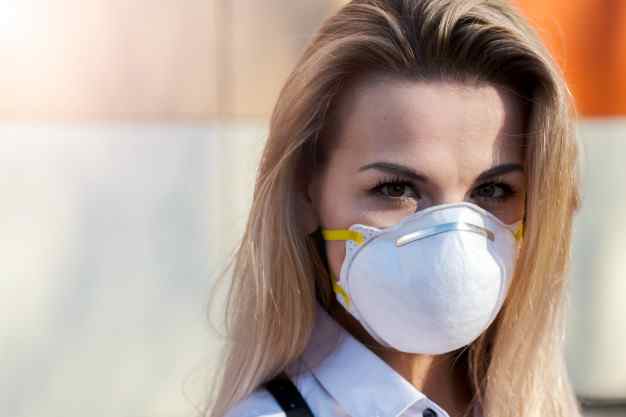
The Ultimate Guide to Treating Maskne: Prevention, Causes, and Dermatologist-Approved Solutions
- December 13, 2025
- 0 Likes
- 501 Views
- 0 Comments
If you have noticed a sudden crop of pimples appearing around your mouth, chin, and jawline, you are not alone. While face masks are essential tools for public health, they have given rise to a very specific, widespread skin condition: Maskne.
Technically known as Acne Mechanica, “maskne” is more than just a buzzword—it is a legitimate dermatological condition caused by the unique environment your mask creates on your skin. The good news? It is entirely treatable.
Here is everything you need to know about why maskne happens, how to prevent it, and the best skincare adjustments to clear your complexion.
What is Maskne (Acne Mechanica)?
Before the pandemic, Acne Mechanica was a condition mostly seen in athletes (from chin straps and helmets) or musicians (from holding instruments against the chin). Today, it affects anyone wearing a face mask for prolonged periods.
Unlike hormonal acne, which is internal, maskne is caused by physical factors. It specifically targets the “O-Zone”—the area of the face covered by your mask.
The 3 Root Causes of Mask Acne
Understanding why you are breaking out is the first step to fixing it. Maskne is usually caused by a “perfect storm” of three factors:
- Friction: The fabric of your mask constantly rubs against your skin, causing micro-tears and damaging the skin barrier. This physical irritation clogs pores and allows bacteria to enter.
- Occlusion (Trapped Moisture): Your mask traps your breath, creating a warm, humid environment. This heat and moisture cause sweat and oil to become trapped in your pores, creating the ideal breeding ground for Cutibacterium acnes (acne-causing bacteria).
- Microbiome Disruption: The change in pH and humidity can disrupt your skin’s natural balance, leading not just to acne, but potentially to folliculitis (infected hair follicles) or perioral dermatitis.
Prevention: How to Stop Maskne Before It Starts
You don’t have to stop wearing a mask to stop the acne. Small changes to your daily habits can make a massive difference.
1. Choose the Right Fabric
If you are using a cloth mask, material matters.
- Best: 100% tightly woven cotton or silk. Silk is naturally hypoallergenic and reduces friction, making it excellent for sensitive skin.
- Avoid: Synthetic fabrics like nylon, polyester, or rayon. These trap sweat against the skin and are less breathable.
2. The 4-Hour Rule
If it is safe to do so in your environment, try to take a 15-minute “mask break” every 4 hours. This allows the humidity to dissipate and your skin to breathe.
3. Wash Your Mask Daily
This cannot be overstated: Treat your mask like your underwear. Never reuse a cloth mask without washing it. Dead skin cells, oil, and bacteria accumulate on the fabric after a single use. Wash it with hot water and a fragrance-free, hypoallergenic detergent to avoid contact dermatitis.
The Best Skincare Routine for Maskne
When you are dealing with maskne, the golden rule is “Less is More.” Overwhelming your skin with harsh products while it is already irritated by friction will only make things worse.
Step 1: Use a Gentle Cleanser
Ditch the gritty scrubs. Use a mild, non-foaming cleanser that removes dirt without stripping your moisture barrier. Look for ingredients like glycerin or ceramides.
- Tip: Wash your face immediately after removing your mask for the day.
Step 2: Reinforce Your Barrier
Friction destroys your skin barrier, so you need to rebuild it. Use a lightweight, oil-free moisturizer.
- Key Ingredients: Look for Ceramides and Hyaluronic Acid. These lock in moisture without clogging pores.
- Avoid: Heavy, occlusive creams (like thick balms or petroleum jelly) under the mask, as they can trap heat and increase breakouts.
Step 3: Targeted Treatments (The Actives)
To treat active breakouts, incorporate chemical exfoliants—but use them primarily at night or on days you aren’t wearing a mask for long periods.
- Salicylic Acid (BHA): The gold standard for maskne. It penetrates the pore lining to dissolve oil and dead skin cells.
- Benzoyl Peroxide: Kills acne bacteria. Caution: Use a lower percentage (2.5% or 5%) as the occlusion of the mask drives the product deeper into the skin, which can cause severe irritation if the concentration is too high.
- Niacinamide: Excellent for reducing inflammation and regulating oil production.
Step 4: Skip the Makeup
Wearing foundation under a mask creates a sludgy mix of pigment, sweat, and oil. If you must wear makeup, stick to “non-comedogenic” products or focus on playing up your eyes and brows instead.
Is It Really Acne?
If your “breakout” creates a rash of tiny, itchy red bumps, or if the skin is dry and flaky rather than oily, you might not have acne. You could be dealing with:
- Perioral Dermatitis: A rash around the mouth often triggered by irritation or steroid use.
- Rosacea: Which can be flared by the heat under a mask.
- Contact Dermatitis: An allergic reaction to the mask material or detergent.
If standard acne treatments burn or make the condition worse, stop immediately and consult a dermatologist.
The Bottom Line
Maskne is frustrating, but it is a temporary reaction to a physical environment. By switching to breathable fabrics, washing your mask daily, and simplifying your skincare routine to focus on barrier repair and gentle exfoliation, you can keep your skin clear—even while staying safe.
Frequently Asked Questions (FAQ)
How long does it take for maskne to clear up?
Because the skin cycle takes about 28 days to renew, you shouldn’t expect overnight results. With a consistent barrier-repair routine and proper mask hygiene, most people see significant improvement within 4 to 6 weeks.
Can I spray my mask with alcohol to clean it?
No. Inhaling fumes from disinfectants can be dangerous, and dried chemical residue on the mask can irritate your skin further. Always wash cloth masks with water and gentle soap. If you use disposable masks, discard them after use.
Should I wear sunscreen under my mask?
Yes! UV rays can penetrate fabric, especially lighter cotton masks. Stick to mineral sunscreens (Zinc Oxide or Titanium Dioxide) rather than chemical ones. Mineral options are less likely to cause stinging or irritation when trapped against the skin by a mask.
Can I reuse disposable blue surgical masks?
For the sake of your skin, try not to. Even if the mask is still effective against viruses, it has collected oil, sweat, and bacteria from your skin. Re-wearing it presses that debris back into your pores. If you must reuse one, air it out in a dry place for at least 24 hours, but a fresh mask is always best for preventing breakouts.
Is toothpaste a good quick-fix for maskne pimples?
Definitely not. Toothpaste often contains menthol, baking soda, and hydrogen peroxide, which are far too harsh for skin already sensitized by friction. It can cause chemical burns or contact dermatitis. Stick to a hydrocolloid patch (pimple patch) instead—it treats the pimple and protects it from mask rubbing.


Leave Your Comment